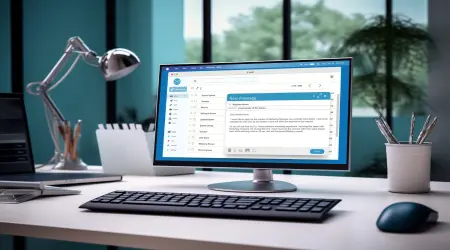

Temporary Email Without Registration
Temporary Email Without Registration: How It Operates
In the modern digital age, the significance of privacy and ease has increased significantly. One effective approach that meets both requirements is the use of temporary email services that do not demand registration.
These services enable users to create disposable email addresses instantly, providing a straightforward method to safeguard their personal information online. But what is the actual functioning of these services? In this detailed guide, we will delve into how temporary emails without registration operate, outlining their features, benefits, and drawbacks.
What Is a Temporary Email Without Registration?
Temporary email services, commonly referred to as disposable email providers, allow users to quickly generate a usable email address. Unlike conventional email accounts, these addresses do not require personal details or extensive sign-up processes. Users can obtain them immediately, frequently with a single click. The primary advantage is in their temporary nature—these addresses exist only for a limited time or remain active until the user opts to remove them.
Highlights:
• No personal information necessary
• Quick setup
• Typically free
• Facilitates one-time or short-lived communications
How Do Temporary Emails Function?
The architecture of temporary email systems is straightforward yet effective. They utilize cloud-based servers to dynamically create either random or user-defined email addresses. After the addresses are generated, they are linked to a temporary mailbox kept on the server.
Core Steps:
1. Address Creation: The user accesses a temporary email provider and clicks "Create" or types a preferred alias.
2. Email Enablement: The server produces a unique, random address and presents it for immediate use.
3. Accessing the Inbox: Incoming emails are stored on the server and can be accessed directly through the provider's interface.
4. Email Reception: When a message arrives, the server delivers it to the user, often featuring plain-text support and attachment viewing options.
5. Expiration and Removal: Users have the option to manually delete the email address or let it expire automatically.
In this entire operation, minimal infrastructure functions behind the scenes. The system does not require user registration because it automates the processes of address creation, management, and deletion without retaining long-term user data.
Technical Framework Powering These Services
The operational backbone of temporary email systems mainly consists of three elements:
• Mail Servers: Responsible for the temporary handling and storage of messages.
• Web Interface/API: Offers instant access for creating, viewing, and deleting emails.
• Automation Scripts: Facilitate the creation of random addresses and the management of expiration timelines.
By employing lightweight cloud servers, providers maximize resource efficiency, ensuring that temporary inboxes remain secure, isolated, and available only during their active period.
Benefits of No-Registration Temporary Emails
Using temporary email addresses that do not require registration comes with a variety of advantages:
• Improved Privacy: By not disclosing personal information, the possibility of data leaks is minimized.
• Quickness and Convenience: The absence of registration allows for immediate access, saving essential time.
• Spam Prevention: A disposable address serves to keep spam away from your main inbox.
• Protection from Data Breaches: With no long-term data storage, breaches cannot impact your primary email.
Limitations to Consider
Although these services are highly beneficial, they also have certain inherent limitations:
• Short Lifespan: Addresses become inactive quickly after creation or due to lack of use.
• Basic Features: They typically do not include sophisticated options such as archiving or filtering capabilities.
• Potential Security Issues: Temporary emails may have lower security, particularly if the service providers fail to implement encryption.
• Inadequate for Sensitive Communications: Important or private exchanges should not depend solely on disposable email services.
Practical Applications of Temporary Email Without Registration
Numerous individuals utilize these services for diverse reasons, which encompass:
• Account Verification Online: Reducing junk mail in the main email inbox.
• Resource Downloads: Keeping the primary email safe during downloads or sign-ups.
• Development and Testing: Developers establish temporary accounts to conduct tests.
• Engaging in Surveys: Maintaining privacy and preventing unsolicited marketing emails.
Conclusion: Prioritizing Simplicity and Privacy
Disposable email services that do not require registration provide a simple and effective method for users who value speed and privacy online. This process is mainly reliant on automation, cloud storage solutions, and intuitive interfaces—allowing anyone to create a temporary email address in no time.
Despite their limitations, the advantages they offer make these services crucial for protecting personal data. As the digital environment progresses, temporary emails are expected to stay favored options for both casual users and professionals.
Take Note: Always assess individual requirements before depending on temporary emails for important activities. While they are great for maintaining privacy, they should not substitute fully secure, registered accounts for critical matters.